How Was Beirut?
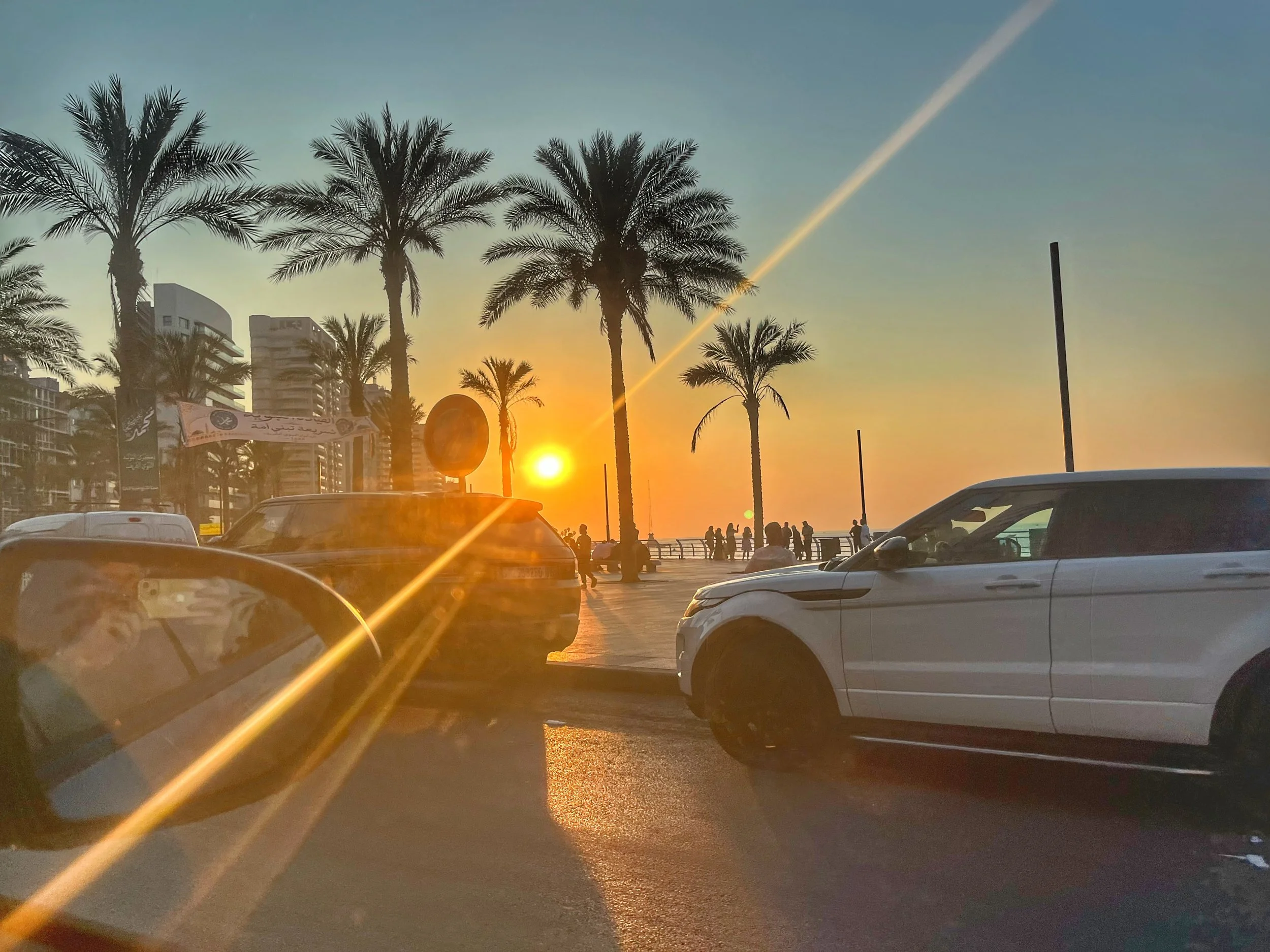
Well, it was very Beiruti.
That’s the best answer I can give.
It was exactly as I left it in December and, somehow, deeply changed.
Same, but different.
After 23 years, I know what to expect from Beirut. I know her moods. Her contradictions. Her chaos. Her beauty.
I know that August in Lebanon is hot.
Not just hot. The kind of hot where the humidity fills your lungs and refuses to leave.
Those who can afford to leave Beirut in August head for the mountains, chasing cooler air, or toward the Mediterranean, looking for relief in the sea and along the stunning coastline.
I knew what I was getting myself into by coming in August.
But the timing was right.
And so I came home.
While the south continues to be occupied and systematically destroyed by Israel—villages, farms, olive groves, UNESCO sites, homes, livelihoods, and just about everything else—Beirut was calm.
Or calmer than I have seen her in a while.
There was the occasional drone overhead.
But otherwise, quiet.
Beirut looked tired.
Worn.
Dirty.
There are giant holes where buildings once stood across the city. Rubble is still being cleared from places Israel targeted this spring. Some buildings are being repaired. Others are simply missing pieces of themselves.
Beirut is missing parts of herself.
I’ve always thought of Beirut as an aging movie star.
Beautiful, obviously.
But with too much plastic surgery and too much makeup. Still insisting she is young. Still performing. Still covering up the lies and dirty deeds of past lives.
But the façade is fading.
She is still beautiful.
But the reality of who she is has started showing through more often.
And Beirut is a reflection of the people who live there.
They are tired, too.
Worn out.
But still here.
He’s Still There
I arrived after midnight to stifling humidity.
I checked into my hotel, unpacked, and eventually went to bed around 3 a.m.
I woke up at 9:30.
I got dressed and headed to my favorite coffee shop.
Because obviously, the first thing you do when you arrive in Beirut is get coffee.
And breakfast.
Honestly, I had a hard time sleeping throughout this trip.
It wasn’t really jet lag.
It wasn’t anxiety.
I was just so damn excited to be there.
I didn’t want to sleep.
I didn’t want to miss a minute of my Beirut.
When I walked into the coffee shop, I was surprised to see my favorite employee.
He’s still there.
I’ve spent an enormous amount of time in this coffee shop over the past two decades. I’ve worked there. Used the internet there. Had meetings there. Met friends there.
The coffee is fantastic.
The food is solid.
And it has always felt like a safe place for me.
A familiar place.
A place where someone knows your order.
And this guy knows me.
So when he asked why I would come now, we talked.
We talked about the camps.
We talked about why I was there.
He told me he had sent his wife and children back to Syria because Lebanon had become too unstable.
He hasn’t seen them.
He doesn’t want to visit them because he is afraid that if he leaves, he may not be able to legally return.
He needs to keep working.
Then he looked at me and said:
“You are very lucky to get to leave and come back.”
“I know,” I told him.
“I don’t take it lightly.”
But the truth is, I have a privilege he doesn’t.
And ten hours into my trip, that privilege was sitting directly across from me.
The Cost of Staying
His family is one of thousands.
Hundreds of thousands.
I talked with extended family members whose relatives in the south have been displaced multiple times.
Some have been displaced more than ten times.
And still, they return home whenever they can.
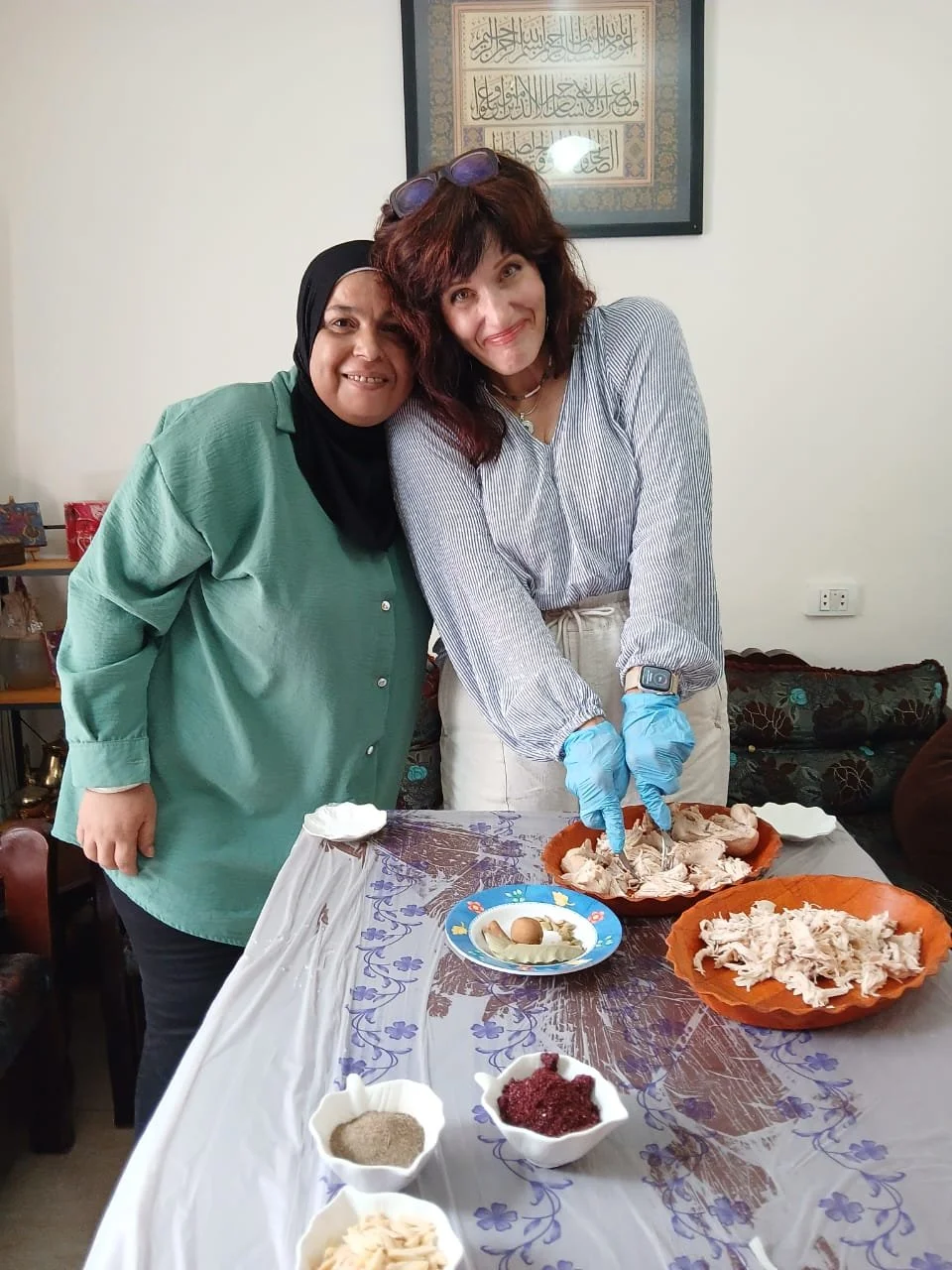
There was a single mother who tattooed me.
And you better believe she has a story.
There are the camps, too.
Services have been reduced.
Then reduced again.
Some have disappeared entirely.
Every disappearing service leaves people who are already marginalized with fewer places to turn.
Everyone needs money.
The currency has lost so much value.
The economy has collapsed.
There is war.
There is inflation.
And for most people, life has become unbearable.
These are the stories I came to hear.
The Lebanese.
The Syrians.
The Palestinians living in Lebanon.
Their lives are not headlines.
They are people.
Families.
Parents.
Children.
Workers.
People trying to get through another day.
I will continue to share their stories.
I feel a responsibility to do so.
A duty, really.
Because I have a privilege that many of the people I meet do not.
I can leave.
And I can come back.
I can cross borders without wondering whether I will be allowed home.
I don’t take that lightly.
But There Is Hope
I do want to leave you with something else.
Hope.
Because Beirut is a dichotomy.
And somehow, in the middle of all of this exhaustion and destruction, I found hope everywhere.
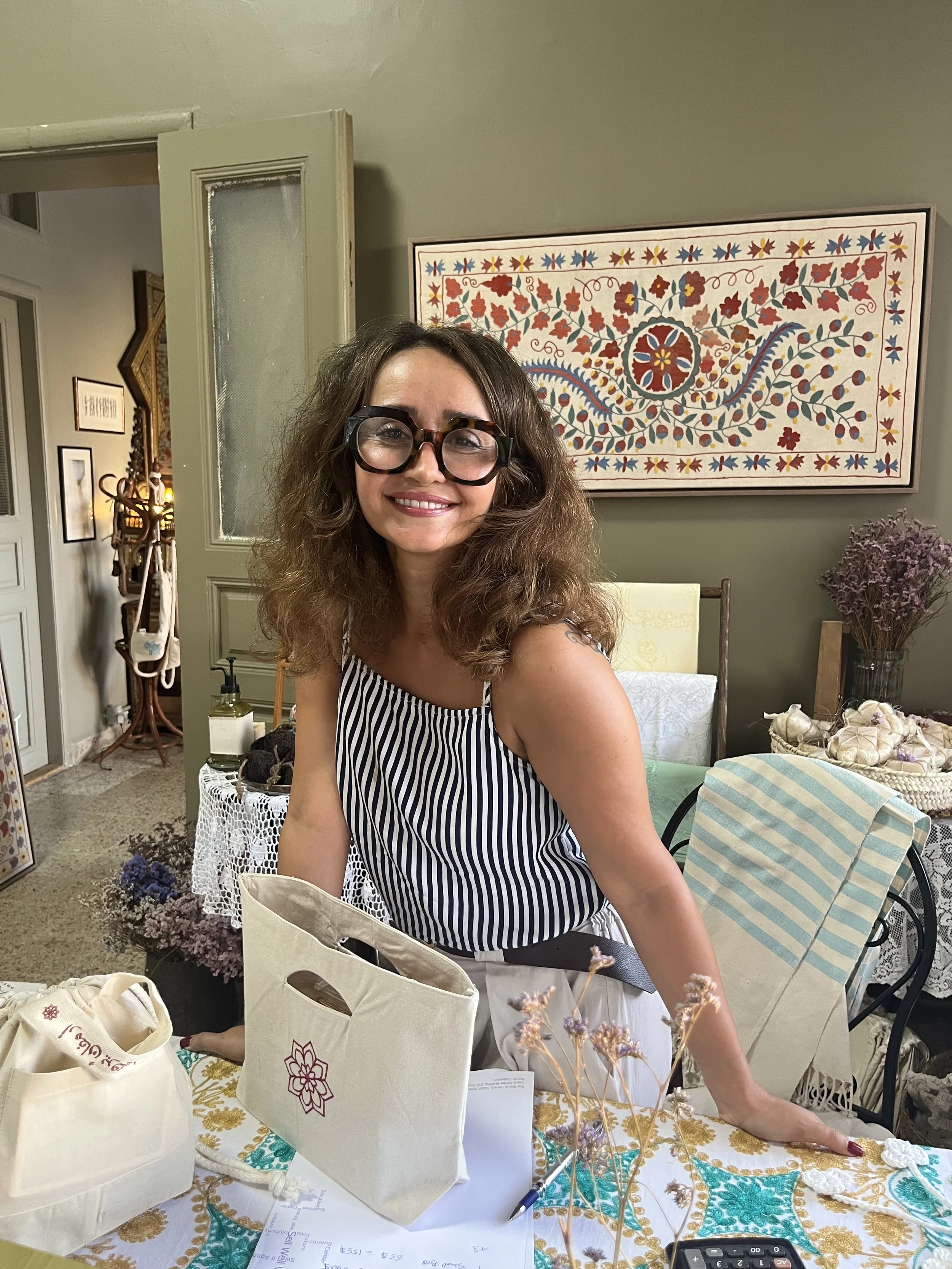
I met a young, talented entrepreneur who opened a beautiful boutique in the middle of an economic crisis.
She sells handcrafted goods, including traditionally made Aleppo olive oil soap.
She took a risk.
In this economy.
In this moment.
And to me, that is unbelievably brave.
There is something extraordinary about someone choosing to create beauty when everything around them is telling them not to.
And then there is PCD.
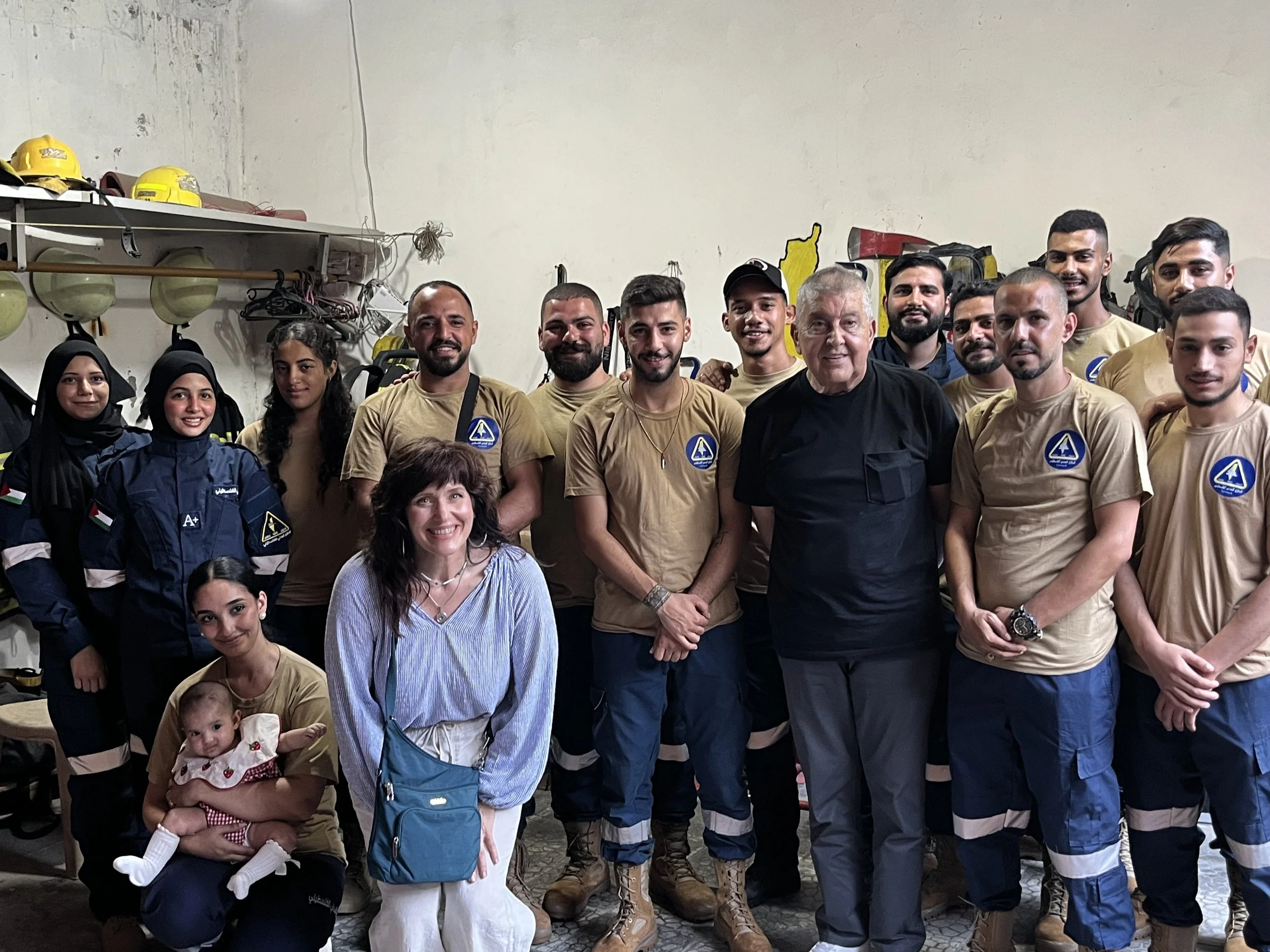
They hosted me at their center in Bourj el-Barajneh camp in the southern suburbs of Beirut.
The center had been heavily damaged during the war in 2024.
They rebuilt it.
A lot of you donated to help make that possible.
And I got to see where your money went.
A new building.
New equipment.
Much-needed equipment.
But more than that, I got to see the people who make this place work.
They gave me a presentation.
A PowerPoint presentation.
In English.
If you know anything about my two decades in he camps, you understand why this was such a big deal.
It was a first.
The leader of the team welcomed me and thanked me.
He did it with such sincerity that I started to tear up.
Because if they only understood what an honor it is for me to support their work.
These men and women are refugees themselves.
They get up every morning.
Many go to other jobs.
Then they come here.
They volunteer.
They work another shift.
They serve their community.
And they do it knowing the risks.
They risk their lives.
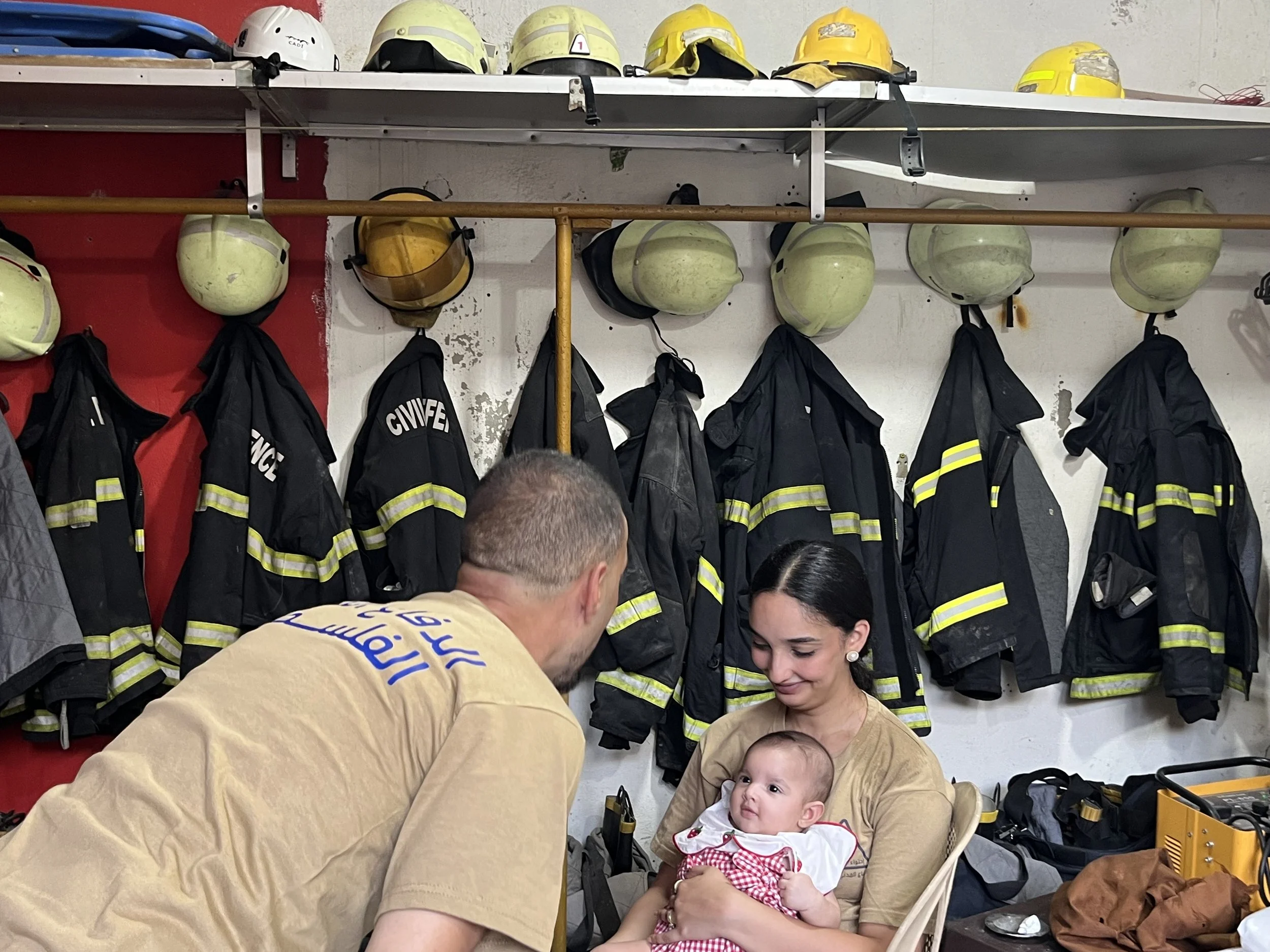
And they keep showing up.
That is Beirut, too.
Not just the rubble.
Not just the drones.
Not just the economic collapse or the war or the exhaustion.
The people who keep showing up.
The people who keep building.
The people who keep opening shops.
Making soap.
Making art.
Making coffee.
Raising children.
Running community centers.
Welcoming strangers.
Starting over.
Again.
And again.
And again.
So, how was Beirut?
Beirut is many things.
Enraging.
Dizzying.
Violent.
Congested.
Frustrating.
Intriguing.
Hilarious.
Beautiful.
Ugly.
Hospitable.
The best place in the world.
The worst place in the world.
Falling apart.
Inventive.
Contradictory.
Exhausted.
Alive.
But always, always…
Hopeful.