My Muslim Teachers
What 23 years in the Middle East taught me about hospitality, community, and humanity.
With the alarming rise in Islamophobia following Senator Abdulrahman Mohamed El-Sayed’s win, I thought it was a good time to share something more personal: my experience living among Muslims, and how much I've learned from them.
Specifically, Arab Muslims, who, somewhat ironically, make up only about 15–20% of the world's Muslim population. So already, the people and places you picture when you think of the Muslim world might not be quite what you imagine.
I lived in Beirut, Lebanon, for five years and have been in and out of the Middle East for 23 years. I've been the only white woman in my building, on my street, or even in my neighborhood, both in Beirut and Amman. I've experienced what it's like to be a minority—white and Christian—in communities where I was often the outsider.
Interestingly, I was treated with tremendous respect and kindness, even as an American, while wars started by my own country were raging around me.
Of course, there are always exceptions. But in my experience, they were rare. And really, that kind of experience could happen anywhere.
Some of what I'm sharing comes from Muslim faith, and some from Arab culture. It's not always easy to separate the two, especially when my experience of Islam has largely been through Muslim communities on their own turf.
Welcome, Strangers
You know who welcomes strangers and excels at hospitality?
Muslims.
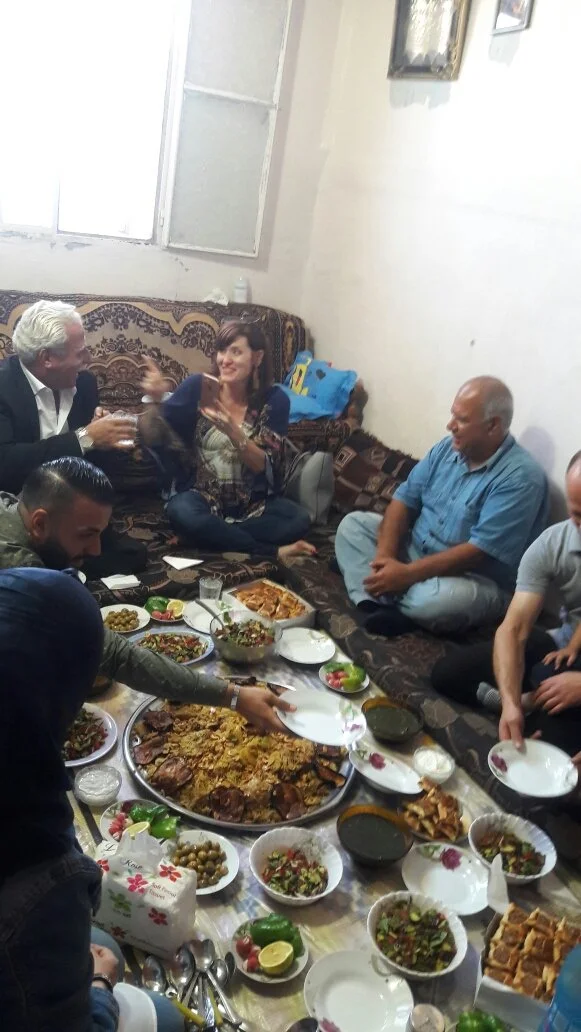
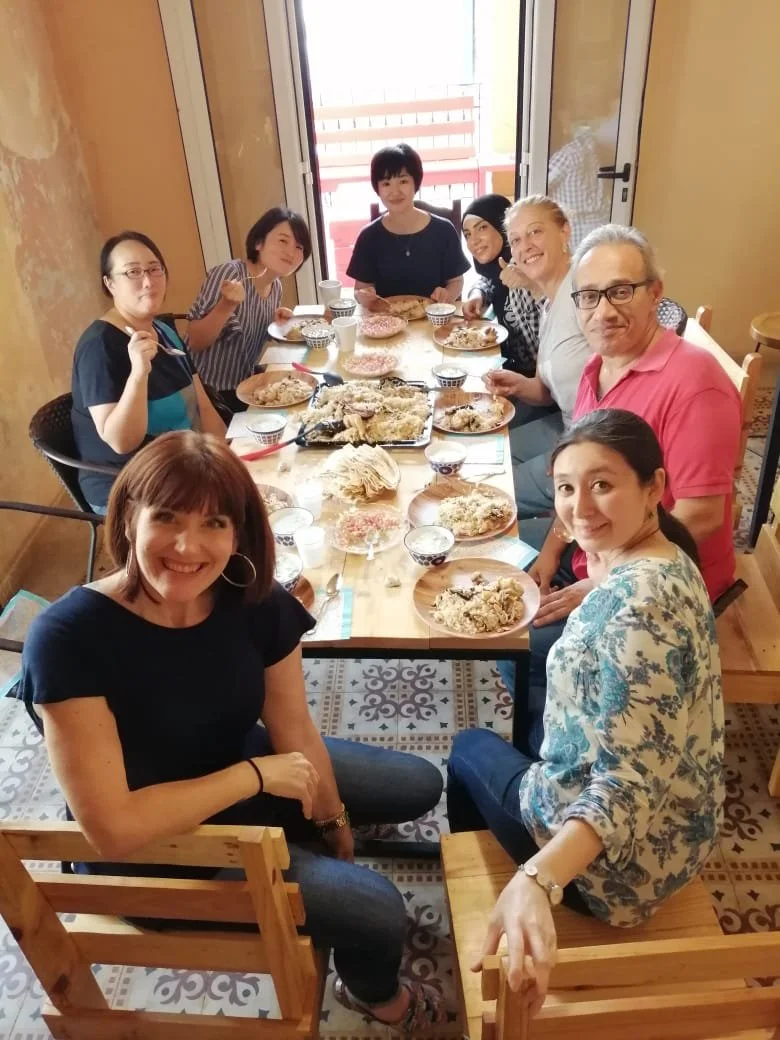
I've been folded into people's families in both Beirut and Amman. I've been welcomed, given seats of honor, and plied with food.
This happens in Palestinian refugee camps, where we sit on the floor, newspapers are spread out, and food magically appears. I'm given the best of whatever they have. I've watched hosts wring their hands because, in their minds, what they've offered me is meager—even when they've given me the very best they have.
They always want to know how they can make me more comfortable.
It happens in the wealthiest homes, too. In middle-class homes. Across the board.
Many times, especially in the camps, I've wondered what they've sacrificed to serve me so generously.
Once, I spent the night at a Jordanian family's home in a small village. They wanted to know what I'd like to drink the next morning.
"Coffee," I said.
Every home in the Middle East has coffee—Arabic coffee. But because I'm American, they went to their neighbor's house to borrow her American-style coffee maker. They wanted to make sure I had coffee exactly the way I liked it.
There's still a part of me that feels uncomfortable when people go to such lengths to make me happy. Americans are generous, too, but Arabs take hospitality to another level.
They've taught me well. Now, when I host, I overdo it.
I make too much food. I've inherited what I jokingly call the Arab fear of running out of food. Or, worse, making something my guests don't enjoy.
That would be the absolute worst.
Even last year, one of my closest friends insisted I stay with her family rather than get a hotel, despite being pregnant and working full time. On the first night I arrived, she cooked all my favorite dishes: fatteh, tabbouli, and shish taouk, complete with toum (garlic sauce).
It was a lot of work.
This is how they show love.
This is how they welcome you.
And this is how I show love now, too.
Community Over Convenience
This brings me to community.
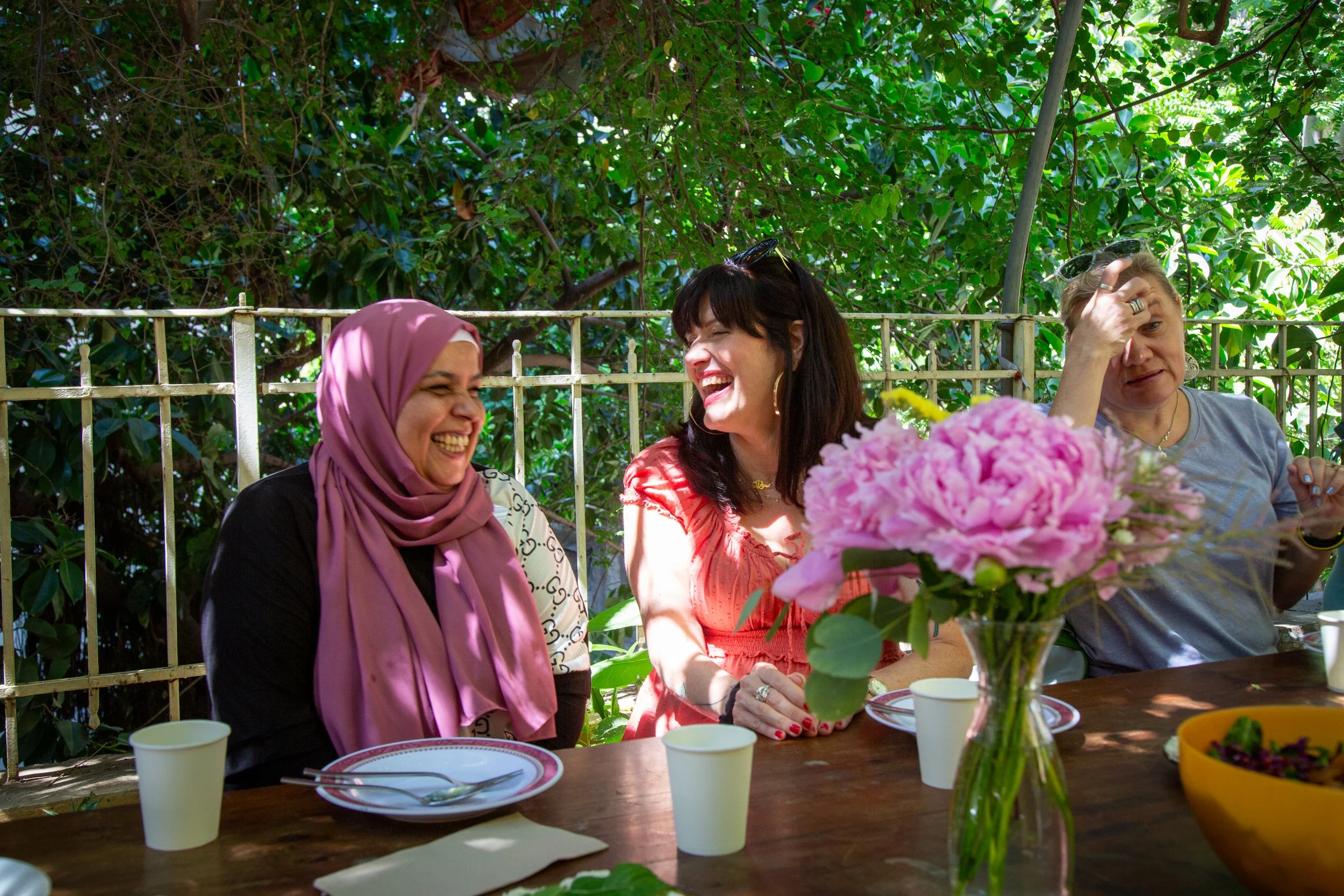
No one does community quite like Muslims.
Sorry to say it, but Americans have a lot to relearn about building and maintaining community.
I'm incredibly proud of our independent spirit, but it has a dark side. We have endless entertainment options. We value time, productivity, and accomplishment, often at the expense of relationships.
I'm incredibly guilty of this myself. My highest priority is often getting shit done, and I'm good at it.
We've effectively learned how to do life without other people.
And while that may be efficient, I wonder if it's also part of why we struggle with loneliness, depression, and the urge to fill that emptiness with consumerism.
In other parts of the world, people depend on one another for survival.
The reality is, we do, too.
Relationships over efficiency.
Time over efficiency.
Slow over fast.
Because relationships take time.
When I lived in Beirut, I worked at a community center with a Palestinian staff. Most mornings, we'd start the day with coffee together.
One morning, I'd just fought my way through 45 minutes of chaotic traffic and missed coffee time. I needed to talk to the manager about an issue I was working on, so I walked straight up to him with all the urgency of someone who had places to be and things to accomplish.
I immediately launched into the problem.
He looked me dead in the eye and said:
"Do you not want to know how I am, Sooozzzzahn? Don't you want to know my news?"
I'd committed a cardinal sin.
I hadn't given the appropriate greeting.
Good morning. Wait for the reply.
How are you? (In two different ways.) Wait for the replies.
And what is your news? Wait for the reply.
Then he asked me the same questions.
I thought I could bypass all of that because my issue was urgent.
He taught me otherwise.
Once we'd gotten the formalities out of the way, we addressed the issue.
It was a good lesson, and one I haven't forgotten.
You cannot bypass relationships.
Acknowledging and showing respect to everyone in the room you walk into isn't an inconvenience. It's a priority.
That's part of being in community.
That's putting relationships first.
What We Can Learn From Each Other
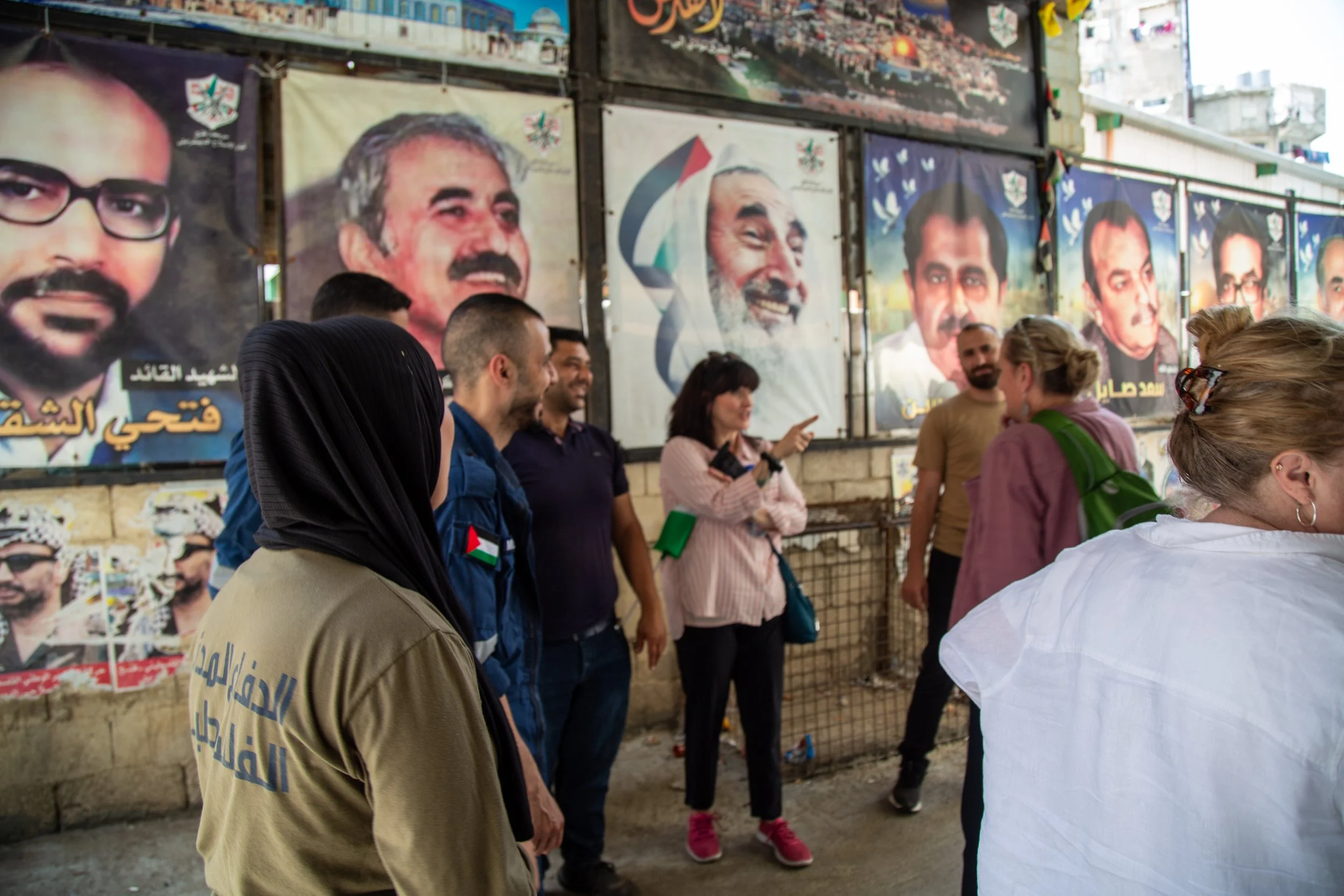
There is so much we can learn from one another, particularly from people of other cultures. Especially people we've been conditioned to think less of, misunderstand, or even hate.
Muslims have made me a better person. A more thoughtful, generous, and well-rounded individual.
My experiences haven't taught me that any culture or religion is perfect. That's not the point.
They've taught me how much we limit ourselves when we assume we already know what other people are like.
I've spent 23 years in and out of the Middle East. I've been welcomed into homes, fed, cared for, corrected, and challenged. I've learned lessons that have followed me home and changed the way I treat other people.
And perhaps that's what happens when we allow ourselves to get close to people we've been taught to fear.
We discover that we have a lot to learn.
Sometimes, the people we are taught to fear have the most to teach us.