Ya Libnan - A Love Letter to Lebanon
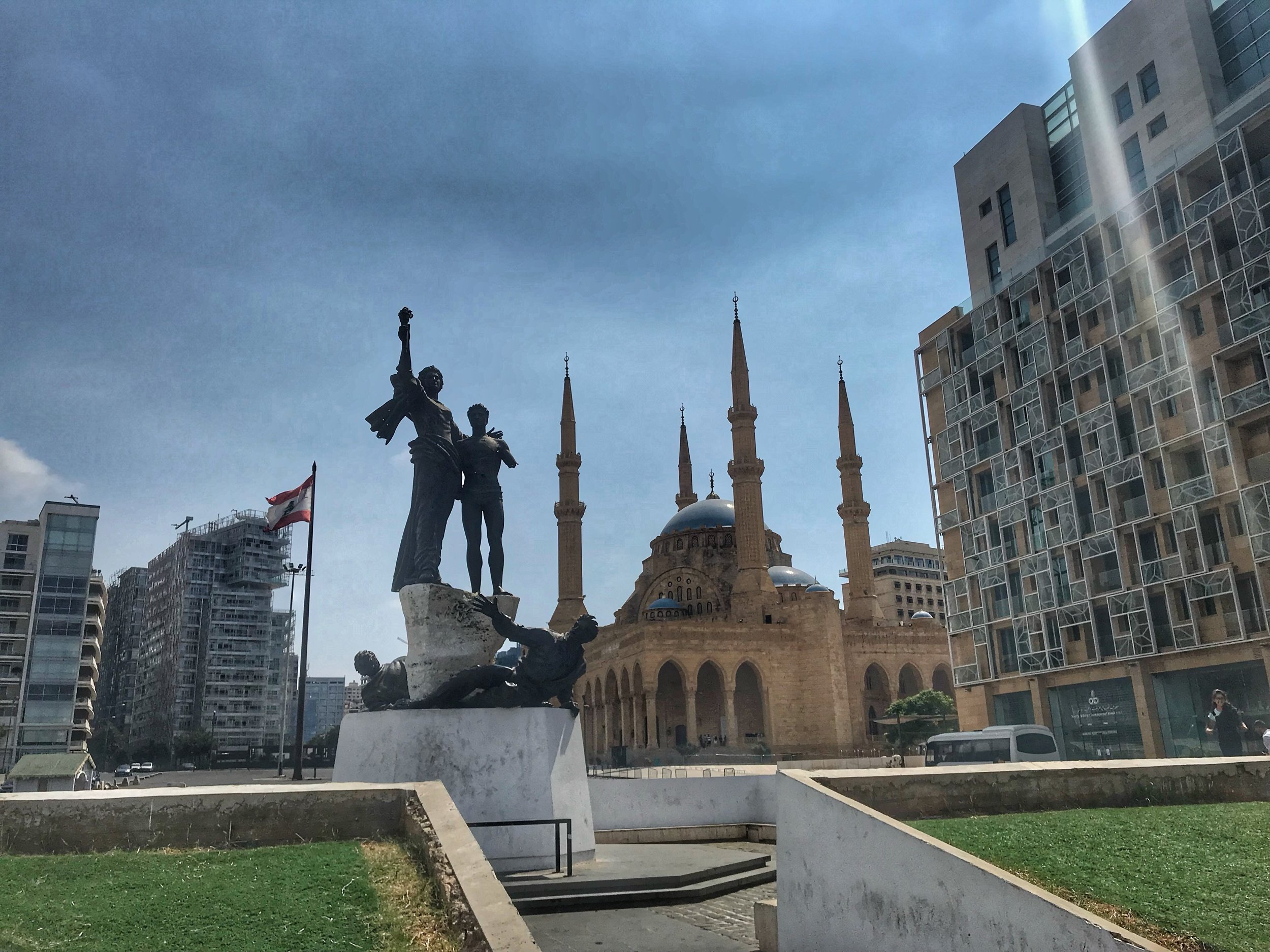
Marytr’s Square, Beirut, Lebanon. 2019.
I’ve spent years arguing with Lebanese friends who insist that Lebanon is the beginning of civilization.
“Lebanon is the center of everything,” they say.
This tiny country—just 4,032 square miles—the center of everything?
I used to laugh at that.
Then, a few years ago, I was listening to Throughline, my favorite podcast. The episode—What Happened After Civilization Collapsed?—told the story of the end of the Bronze Age: famine, megadrought, entire empires crumbling into dust. At the end, they asked a question: was it really a collapse… or was it a transformation?
Because after the famine, after the silence, after the سقوط—came the Phoenicians.
From what is now Lebanon.
They rose from ruin as masters of the sea, carrying with them something: their language, their trade, their ingenuity. They gave the world their famous purple dye—and something even more powerful—the alphabet. The alphabet that became Greek, then Latin. The alphabet we are still using today.
Civilization didn’t die. It changed its shape.
And Lebanon was at the center of that transformation.
So no—my Lebanese friends weren’t being dramatic.
Lebanon is the center of everything.
I believe that now in a way that feels less like an idea… and more like a truth inside me.
I wish I could explain why I love Beirut and Lebanon the way I do. But love doesn’t make sense.
It isn’t logical but neither is Beirut.
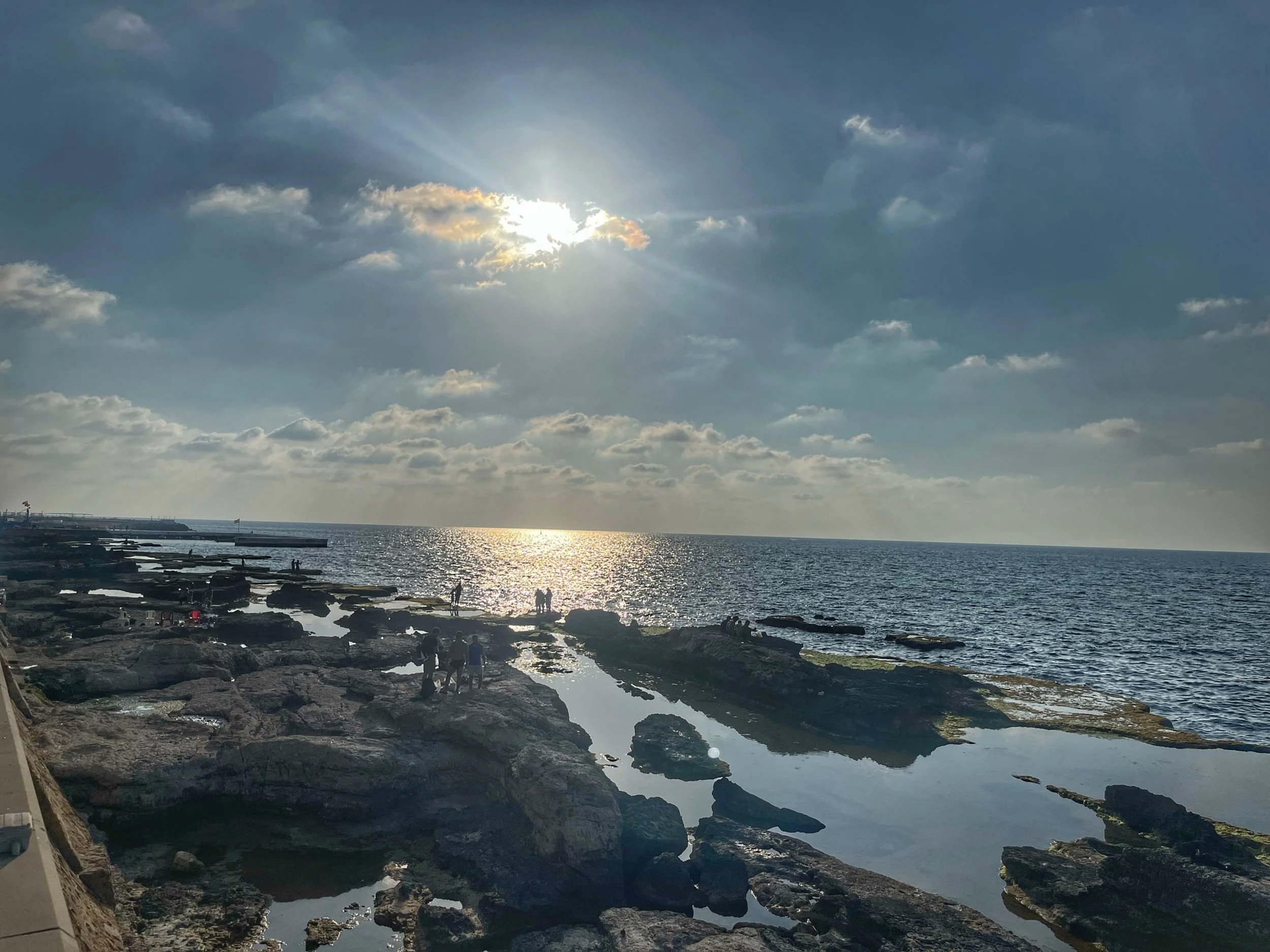
The summer sun. Beirut, Lebanon. June 2023.
Beirut is everything at once. A dream. A nightmare. A heartbreak you keep choosing. The most beautiful place on earth, filled with people who carry both light and ruin. And beneath it all, the memory of a 15-year civil war that never really ended—with it scars over every inch of the city.
Beirut is alive. Not metaphorically—viscerally. You can feel her breathing, feel her pulse in the streets, in the music, in the way the sea crashes against her.
I’ve always thought of her as a grande dame—still breathtaking, even as time tries to take pieces of her away. Elegant, reckless, wounded, irresistible. A city with a reputation. A city with secrets.
And if you stand still long enough—if you let the chaos wash over you without resisting—she will tell you those secrets.
There is nowhere in the world like her. Nowhere.
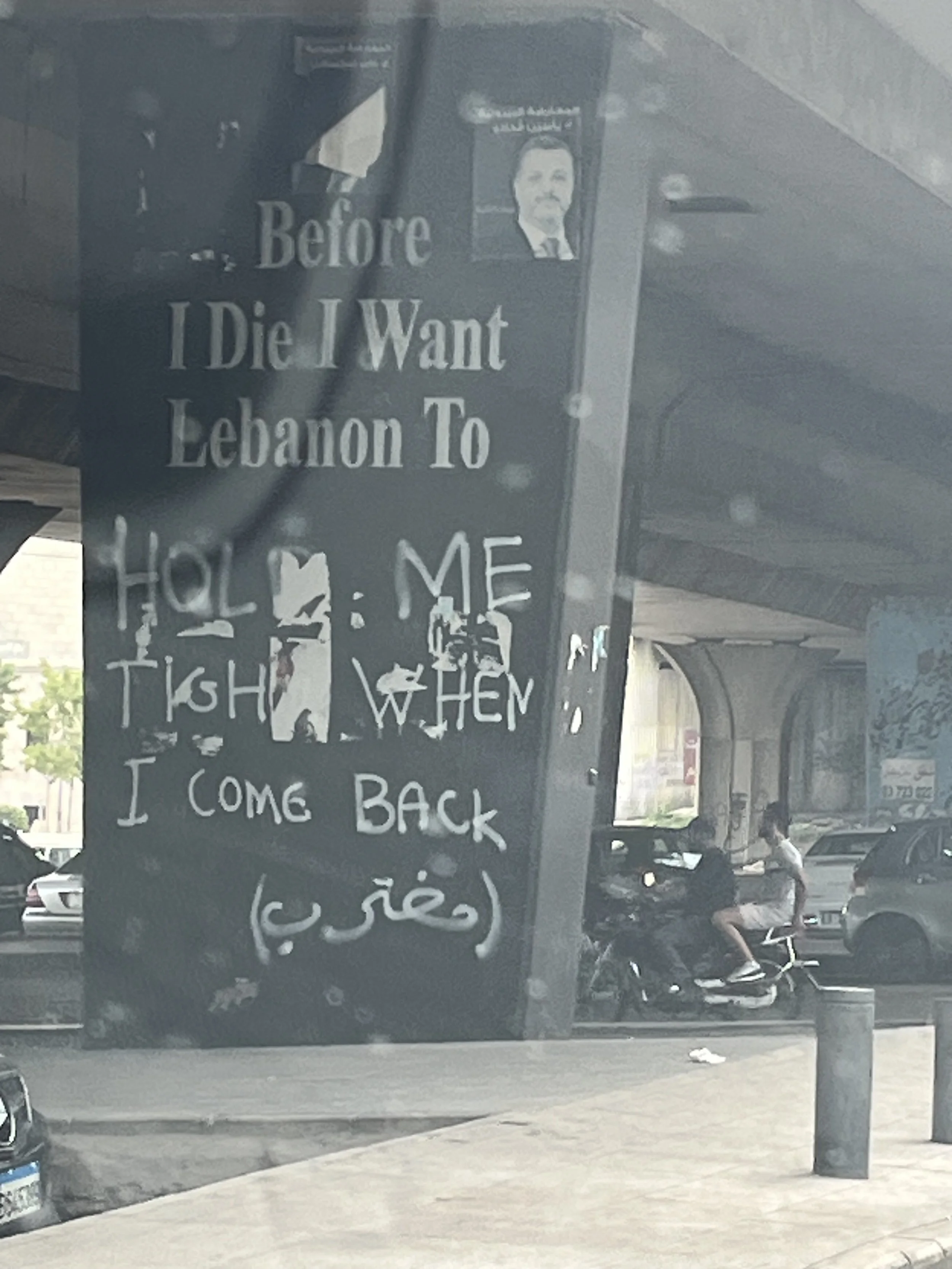
I don’t know what’s harder—to be in Beirut while the bombs fall, or to be far away, watching it happen to her. I’ve done both. And I almost prefer the terror of being there to the helplessness of being away.
Because distance comes with guilt. With longing.
I was in Jordan, driving back from Gaza Camp to Amman, when my phone exploded with notifications. It was a Wednesday afternoon. School had just let out.
That matters.
In the Levant, lunch is main meal of the day. Families gather. Kids spill into the streets. People go home.
That’s when it happened.
One hundred strikes.
Ten minutes.
Across 4,032 square miles.
Beirut.
They hit near places I’ve lived. Streets I’ve walked without thinking. Close to camps where I’ve worked. Too close to homes where my friends’ parents sit and drink coffee.
I got back to Amman and started mapping the strikes. One by one. Then I started texting people.
Are you okay?
And while I was typing—while I was waiting—bombs were still falling.
There is no language for that kind of waiting.
I hope you never have to know it.
A week later, they called a ceasefire. But it continues, of course it does. Strikes in the south. Entire villages erased. Around 55 villages occupied—about 6% of the country carved out and renamed a “buffer zone,” as if changing the language makes it something other than what it is, an illegal occupation.
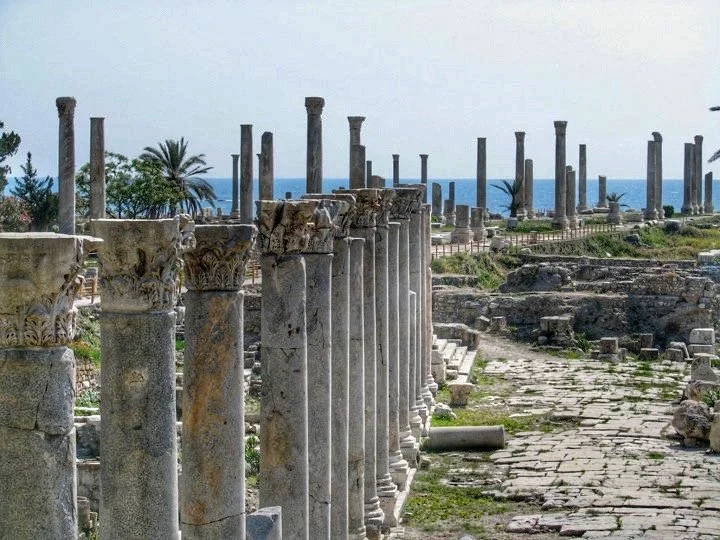
Roman Ruins. Tyre, Lebanon. 2009.
The ancient city of Tyre—Sur—has been heavily damaged. One of the great cities of the Phoenicians. The place that gave the world rare Tyrian purple, made from sea snails.
History lives there. Not in museums—in the ground, in the air, in the foundation of the city and country itself.
And now even that feels fragile.
Over a dozen empires have come and gone through Lebanon—the Ancient Egyptian Empire, Hittite Empire, Neo-Assyrian Empire, Neo-Babylonian Empire, and Achaemenid Empire. Then came the Macedonian Empire under Alexander the Great, followed by the Seleucid Empire, the Roman Empire, and the Byzantine Empire.
It didn’t stop there. The land passed through the hands of the Umayyad Caliphate and Abbasid Caliphate, was fought over by Crusader states like the Kingdom of Jerusalem, then ruled by the Mamluk Sultanate and the Ottoman Empire for four centuries. After World War I, it fell under the French Mandate for Syria and the Lebanon—just another chapter in a long line of outsiders trying to claim it.
And yet, in 1943, Lebanon became independent.
This is a land with over 5,000 years of history—home to some of the world’s oldest cities, its cedar trees mentioned in the Bible, its people shaped by every empire that tried to define them and failed.
Empires rise. Empires fall. Lebanon remains.
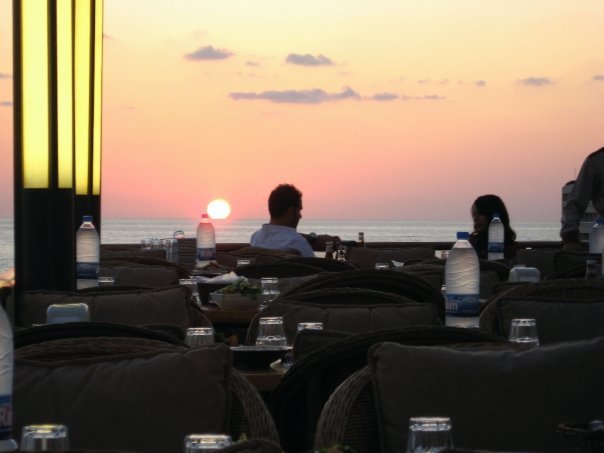
Waiting for Iftar. Beirut, Lebanon. 2009.